
Introduction
This guide explains what a CDL license is, the different CDL classes, available endorsements, and the basic steps required to earn your license.
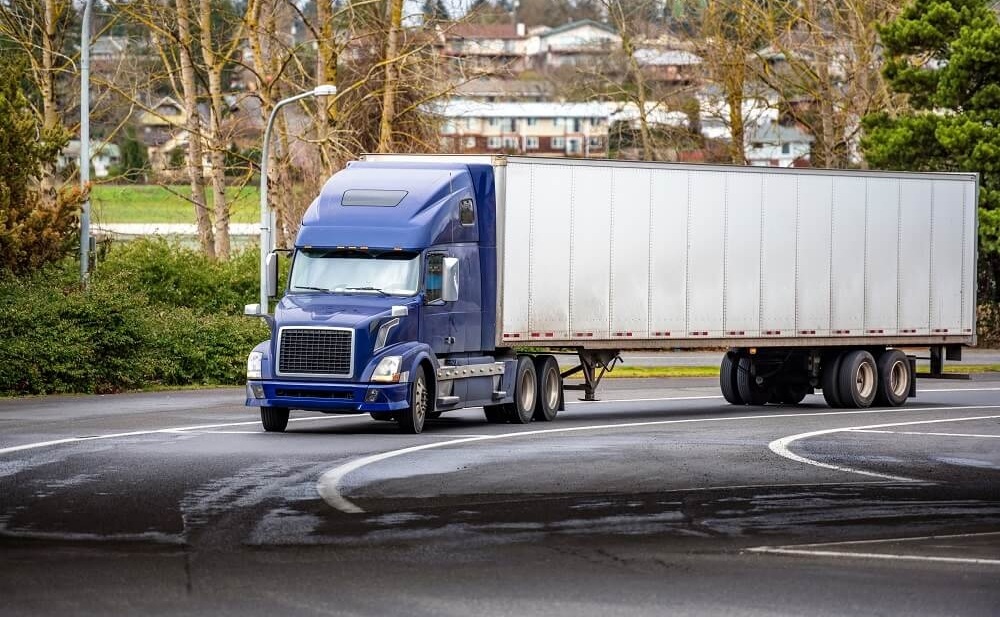
What Is a CDL License: Understanding CDL Categories and Endorsements Options
What Is a CDL License? A Complete Guide to CDL Classes and Endorsements
If you’re asking, “What is a CDL license?”, you’re not alone. A Commercial Driver’s License (CDL) is required for operating many of the large vehicles that keep America’s economy moving. Whether you’re interested in driving a semi-truck, school bus, dump truck, or tanker, earning a CDL can open the door to a wide range of stable and rewarding careers.
Today, more than 1.3 million commercial drivers hold CDL licenses across the United States. While becoming licensed requires training and testing, the investment can lead to higher-paying job opportunities and long-term career growth in the transportation industry.
This guide explains what a CDL license is, the different CDL classes, available endorsements, and the basic steps required to earn your license.
What Is a CDL License?
A Commercial Driver’s License (CDL) is a special driver’s license required by federal and state law to operate certain commercial motor vehicles. Drivers must complete approved training, demonstrate safe driving skills, and pass the required knowledge and road tests before receiving their CDL.
A CDL ensures commercial drivers understand vehicle safety, federal regulations, cargo handling, and defensive driving practices before operating large commercial vehicles on public roads.
What Jobs Require a CDL License?
Many careers in the transportation and logistics industries require a CDL because they involve operating heavy commercial vehicles or transporting passengers and specialized cargo.
Some of the most common CDL careers include:
- Bus driver
- Long-haul truck driver
- Concrete mixer driver
- Heavy equipment operator
Commercial driving positions often offer competitive pay because they require specialized training and licensing. As demand for qualified drivers continues across many industries, earning a CDL can provide access to a variety of career opportunities.
What Types of CDL Are There?
Commercial Driver’s Licenses are divided into three primary classes based on the weight of the vehicle, trailer, and the type of cargo or passengers being transported.
Class A CDL
A Class A CDL allows drivers to operate combination vehicles with a Gross Vehicle Weight Rating (GVWR) of 26,001 pounds or more, provided the trailer being towed has a GVWR greater than 10,000 pounds.
A Class A CDL is the most versatile license because it often allows drivers to operate many Class B and Class C vehicles as well.
Some vehicles that require a Class A license include:
- Flatbeds
- Livestock carriers
- Tanker trailers
- Semi-tractor-trailers
- In most cases, if you have a Class A license, you’ll be able to operate other vehicles that require a Class B or C license.
Class B CDL
A Class B CDL is required to operate a single vehicle with a GVWR of 26,001 pounds or more, or a qualifying vehicle towing a trailer with a GVWR of 10,000 pounds or less.
Many commercial vehicles used for local transportation require a Class B license, including:
- City buses
- Tourist buses
- Large passenger buses
- Segmented passenger buses
- Box vans
- Dump trucks with small trailers
- Straight trucks
In some states, drivers with a Class B CDL may also be permitted to operate certain Class C commercial vehicles.
Class C CDL
A Class C CDL is generally required for commercial vehicles that transport 16 or more passengers, including the driver, or vehicles used to transport hazardous materials requiring federal placarding.
Some states also require a Class C CDL for commercial vehicles that do not fall under the Class A or Class B classifications.
What CDL Endorsements Are Available?
In addition to CDL classes, drivers may need CDL endorsements depending on the type of vehicle they operate or the cargo they transport.
An endorsement is an additional qualification added to your CDL after completing extra testing. While endorsement requirements can vary slightly by state, most follow federal guidelines.
H Endorsement
The H endorsement allows drivers to transport hazardous materials.
To obtain this endorsement, you’ll need to complete the required Hazmat ELDT theory training and pass the hazardous materials knowledge exam administered by your state’s DMV.
N Endorsement
An N endorsement allows drivers to operate tank vehicles transporting liquid or gaseous materials, including flammable and non-flammable substances.
A written knowledge examination is required.
P Endorsement
A P endorsement is required to operate vehicles designed to transport 16 or more passengers, including the driver.
To earn this endorsement, you’ll need to complete ELDT theory training, pass a written knowledge exam, and successfully complete a road skills test.
Drivers planning to operate a school bus must also obtain an S endorsement and complete a federal background check.
S Endorsement
The S endorsement is required for school bus drivers.
Because school bus drivers are responsible for safely transporting children, additional requirements apply. Drivers must complete ELDT theory training, pass a comprehensive road skills test, and successfully complete the required background screening.
T Endorsement
A T endorsement allows drivers to tow double and triple trailers.
Obtaining this endorsement requires passing a written examination focused on the safe operation of combination vehicles with multiple trailers.
X Endorsement
The X endorsement combines the Hazardous Materials (H) and Tank Vehicle (N) endorsements, allowing drivers to transport hazardous materials in tanker vehicles.
Drivers must pass the required written knowledge examinations and meet all federal hazardous materials requirements.
Basic Requirements for a CDL
Although CDL requirements vary slightly by state, most applicants must meet several basic qualifications before earning a Commercial Driver’s License.
Common CDL requirements include:
- Be over the age limit (18-21 depending on location)
- Hold a non-commercial driver’s license
- Not hold a CDL in any other state
- Not have previous driving disqualifications
- Acquire a Commercial Learner’s Permit (CLP)
- Pay the required DMV licensing fees
CDL training includes both classroom instruction and behind-the-wheel training. These components are required under the federal Entry-Level Driver Training (ELDT) regulations and are designed to prepare new drivers to safely operate commercial vehicles.
After successfully completing your training, passing the required exams, and meeting your state’s licensing requirements, you’ll be eligible to receive your CDL and begin applying for commercial driving jobs.
Ready to Get Your CDL License?
Now that you understand the answer to “What is a CDL license?”, you’re ready to take the next step toward a commercial driving career.
At ELDT Zone, we provide federally compliant ELDT theory training that is approved in all 50 states. Our convenient online courses allow you to complete the required classroom portion of your CDL training from home, so you can prepare for your behind-the-wheel instruction and CDL licensing exams with confidence.
Whether you’re pursuing a Class A, Class B, or Class C CDL, or preparing for a specialized endorsement, ELDT Zone can help you start your journey toward becoming a qualified commercial driver.