
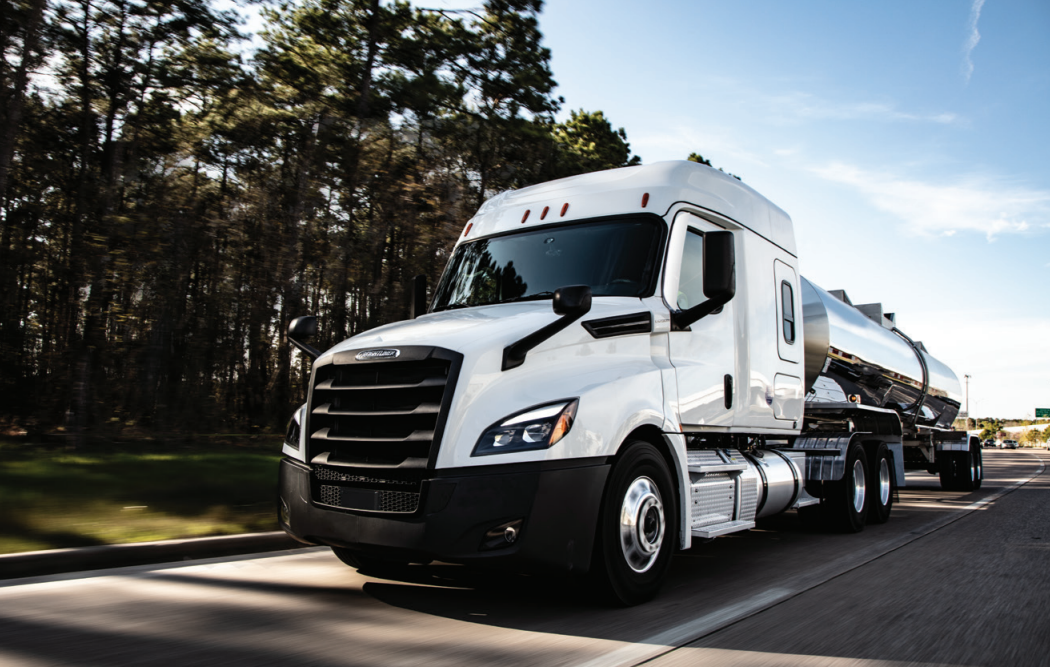
ELDT Theory vs. Behind-the-Wheel Training: What’s the Difference?
If you’re planning to earn your Commercial Driver’s License (CDL), understanding the difference between ELDT theory training and behind-the-wheel (BTW) training is essential. Both are required under the Federal Motor Carrier Safety Administration (FMCSA) Entry-Level Driver Training (ELDT) regulations before most new commercial drivers can take the CDL skills test.
While ELDT theory teaches the knowledge every commercial driver needs, behind-the-wheel training develops the practical skills required to safely operate a commercial vehicle. Together, these two components prepare you for your CDL exam—and for a successful career in trucking.
What Is Entry-Level Driver Training (ELDT)?
Entry-Level Driver Training (ELDT) is a federal training standard established by the FMCSA to ensure new commercial drivers receive consistent, high-quality instruction before obtaining a CDL.
ELDT is required for:
- First-time Class A CDL applicants
- First-time Class B CDL applicants
- Drivers upgrading from a Class B CDL to a Class A CDL
- Drivers obtaining certain endorsements, including Hazardous Materials (HazMat), Passenger, and School Bus
Training must be completed through an FMCSA-registered Training Provider before you are eligible to take the CDL skills test.
What Is ELDT Theory Training?
ELDT theory training is the classroom or online learning portion of CDL education. It provides the knowledge needed to operate a commercial motor vehicle safely, legally, and professionally.
Many students choose online ELDT theory training because it allows them to complete the required coursework on their own schedule while satisfying FMCSA requirements.
Topics Covered in ELDT Theory Training
ELDT theory typically includes instruction on:
- Federal Motor Carrier Safety Regulations (FMCSRs)
- Hours of Service (HOS) rules
- Driver qualifications
- Vehicle inspection procedures
- Basic vehicle systems
- Defensive driving techniques
- Hazard perception and risk management
- Cargo securement and safety
- Distracted and impaired driving awareness
- Railroad grade crossings
- Environmental compliance
Theory training builds the knowledge every professional driver needs before getting behind the wheel.
What Is Behind-the-Wheel (BTW) CDL Training?
Behind-the-wheel (BTW) training is the hands-on portion of CDL instruction where students apply what they learned during theory training while operating an actual commercial vehicle under instructor supervision.
Training is divided into two parts.
Range Training
Students practice essential vehicle control skills, including:
- Straight-line backing
- Offset backing
- Parallel parking
- Coupling and uncoupling (Class A)
- Pre-trip inspections
- Basic vehicle control
Public Road Training
Students then develop real-world driving experience by practicing:
- City driving
- Highway driving
- Lane positioning
- Turns and intersections
- Traffic management
- Railroad crossings
- Speed control
- Defensive driving
- Safe decision-making
Under current ELDT regulations, students must demonstrate proficiency in required skills rather than simply complete a minimum number of training hours.
ELDT Theory vs. Behind-the-Wheel Training
Although both are required, each serves a different purpose in preparing you for your CDL.
| ELDT Theory Training | Behind-the-Wheel (BTW) Training |
|---|---|
| Classroom or online instruction | Hands-on commercial vehicle operation |
| Focuses on regulations, safety, inspections, and compliance | Focuses on driving skills, vehicle control, and maneuvering |
| Builds knowledge and decision-making skills | Develops confidence through supervised driving |
| Prepares students for CDL knowledge requirements | Prepares students for the CDL skills test |
| Covers federal safety regulations and driver responsibilities | Includes range exercises and public road driving |
| Completion is reported to the FMCSA Training Provider Registry (TPR) | Skills are evaluated until proficiency is demonstrated |
Why Are Both ELDT Theory and Behind-the-Wheel Training Required?
The FMCSA requires both components because professional truck drivers need more than just driving ability.
Knowledge Without Practice Isn’t Enough
Understanding Hours of Service regulations and vehicle inspections is important, but classroom learning alone doesn’t prepare you to safely back a tractor-trailer into a loading dock or navigate heavy traffic.
Driving Skills Without Knowledge Can Be Dangerous
Operating a commercial vehicle without understanding federal regulations, inspection requirements, or safety procedures can lead to violations, accidents, and costly mistakes.
Combining classroom education with supervised driving produces safer, more capable commercial drivers who are prepared for real-world situations.
Online ELDT Theory Training at ELDT Zone
ELDT Zone makes completing your required theory training simple and convenient with FMCSA-compliant online courses.
Students can complete:
- Class A ELDT Theory
- Class B ELDT Theory
- HazMat ELDT Theory
- Passenger ELDT Theory
- School Bus ELDT Theory
Because courses are available online, students can learn at their own pace from virtually anywhere. This flexibility makes online ELDT theory an excellent option for working adults, career changers, military veterans, and students with busy schedules.
After completing the required theory instruction, students continue with behind-the-wheel training at an FMCSA-approved Training Provider. ELDT Zone can help connect students with convenient training locations at no additional cost.
Experienced instructors evaluate each student’s progress throughout range and road training to ensure every required skill has been demonstrated before CDL testing.
Frequently Asked Questions About ELDT Training
Can I take ELDT theory online?
Yes. FMCSA regulations allow approved training providers to offer ELDT theory training online. Once you successfully complete the course, your provider submits your completion to the FMCSA Training Provider Registry (TPR).
Is behind-the-wheel training required?
Yes. If ELDT applies to your CDL application, you must complete both theory and behind-the-wheel training before taking the CDL skills test.
How long does ELDT training take?
The length of training varies depending on the student, the training provider, and how quickly required driving skills are demonstrated. ELDT regulations focus on proficiency rather than a minimum number of hours.
Do I have to complete theory before driving?
In most training programs, students complete theory first because it provides the knowledge needed to safely begin behind-the-wheel instruction.
A Few Thoughts as You Consider Getting a CDL
ELDT theory training and behind-the-wheel training work together to prepare future commercial drivers for success.
Theory training teaches the rules, regulations, and safety principles that professional drivers must understand.
Behind-the-wheel training develops the practical skills and confidence needed to safely operate a commercial vehicle in real-world conditions.
Completing both components through an FMCSA-approved training provider gives you the preparation needed to earn your CDL and begin a successful trucking career.
Whether you’re just starting your CDL journey or comparing training options, understanding how ELDT works will help you choose a program that prepares you not only to pass your CDL exams, but also to become a safe, confident, and professional commercial truck driver.